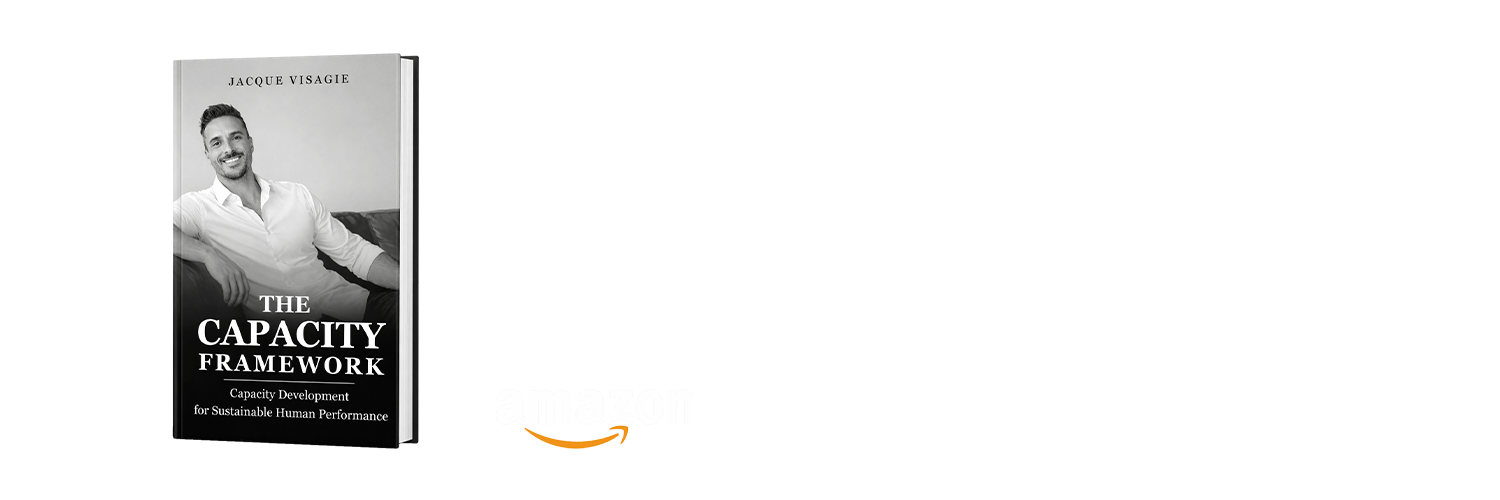
The Capacity Framework
Build Capacity That Holds.
A practical framework for sustainable performance under pressure.
Most people try to perform better by pushing harder. But when pressure, responsibility, and complexity increase, performance does not break because people lack motivation. It breaks because their current capacity can no longer hold the demand.
For: high performers, leaders, coaches, teams, and organisations who want a deeper model for sustainable growth, behaviour change, and performance under complexity.
Pressure
The real test
Capacity
The missing layer
Performance
What must hold
Growth
Built sustainably
The Problem
Performance breaks when demand exceeds capacity.
Most people misread regression as weakness, laziness, or lack of discipline.
But regression usually happens when the internal system is carrying more pressure, complexity, and responsibility than it has the current capacity to hold.
This is why people can know what to do and still fail to follow through. The issue is not always knowledge. It is whether the person has enough capacity to execute the behaviour under real-world demand.
The Capacity Framework reframes performance as a capacity problem, not simply a motivation problem.
Common Signs
When capacity is exceeded, the same patterns keep showing up.
01
Consistency drops when pressure increases.
02
People revert to old behaviours even when they know better.
03
Leaders lose clarity, patience, and decision quality under complexity.
04
Teams can move fast for a season, but struggle to sustain performance over time.
The Framework
Capacity is the hidden structure underneath sustainable performance.
The Capacity Framework helps you look beneath behaviour and performance outcomes. Instead of asking only what someone should do, it asks whether they have the internal structure to keep doing it when pressure, emotion, responsibility, and complexity increase.
01
Demand
The pressure, complexity, responsibility, emotion, and load a person or system is required to carry.
02
Capacity
The internal ability to hold that demand without losing regulation, clarity, consistency, or direction.
03
Regression
What happens when demand rises beyond current capacity and behaviour, leadership, or performance starts to collapse.
The goal is not to avoid pressure.
The goal is to build the capacity to carry more pressure without breaking the behaviours, decisions, relationships, and systems that matter most. That is what makes performance sustainable.
What The Book Helps You See
A clearer way to understand why performance does not always hold.
The book gives readers a practical lens for understanding the gap between knowing what to do and being able to keep doing it when life becomes more demanding.
01
Why consistency collapses under pressure.
The book shows why people often regress when demand increases — not because they suddenly care less, but because the behaviour requires more capacity than their current system can hold.
02
Why more tactics are not always the answer.
When the foundation is unstable, adding more strategies can create more pressure. The framework helps readers identify what must be strengthened before more complexity is added.
03
Why recovery is a performance function.
Recovery is not a luxury or a pause from progress. It is part of the structure that allows people to regulate, rebuild, adapt, and continue performing sustainably.
04
Why leadership quality depends on capacity.
Decision quality, emotional control, patience, communication, and clarity all become harder when responsibility grows beyond a leader’s current capacity.
The book gives language to patterns people already feel.
It helps readers stop blaming isolated behaviours and start seeing the structure underneath them — the pressure, the demand, the capacity, and the point where performance begins to regress.
Inside The Book
A framework for people who want performance to last.
Not a motivational reset. A deeper operating model.
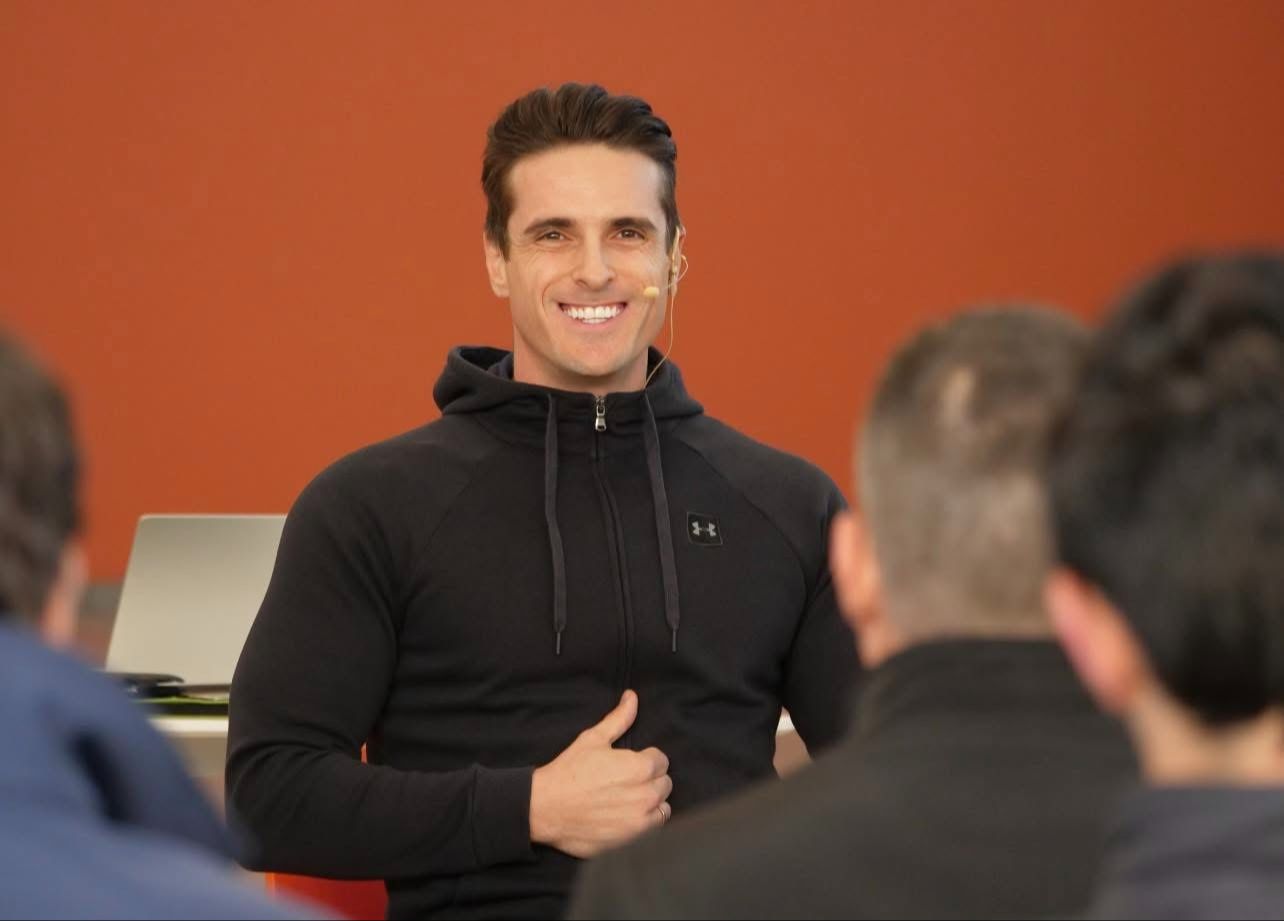
The Capacity Framework is written for people who are no longer satisfied with short bursts of progress followed by regression. It gives readers a way to understand why performance breaks, where capacity is being exceeded, and what must be developed for change to hold.
The book connects health, behaviour, leadership, stress, recovery, and organisational performance through one central idea: sustainable output requires the internal capacity to carry the demand.
The question is not only, “What should I do?” The deeper question is, “Can my current capacity hold the demand of doing it consistently?”
Available on Amazon. Use this book as a lens for personal growth, coaching, leadership development, and sustainable performance.